
Identify the Cause of Recurring Skin Irritation
Patch Testing for Contact Dermatitis in Tyler uncovers delayed allergic reactions to everyday chemicals, metals, and fragrances that standard tests miss.
When you develop red, itchy, or blistering skin in Tyler that does not respond to moisturizers or steroid creams, the cause may not be obvious. Contact dermatitis often results from delayed allergic reactions to substances you touch regularly, such as nickel in jewelry, preservatives in lotions, or chemicals in cleaning products. Unlike immediate allergies that show up within minutes, these reactions can take days to appear, making it difficult to connect the rash to its source. Access Allergy and Immunology uses patch testing to identify the specific allergens triggering your skin symptoms.
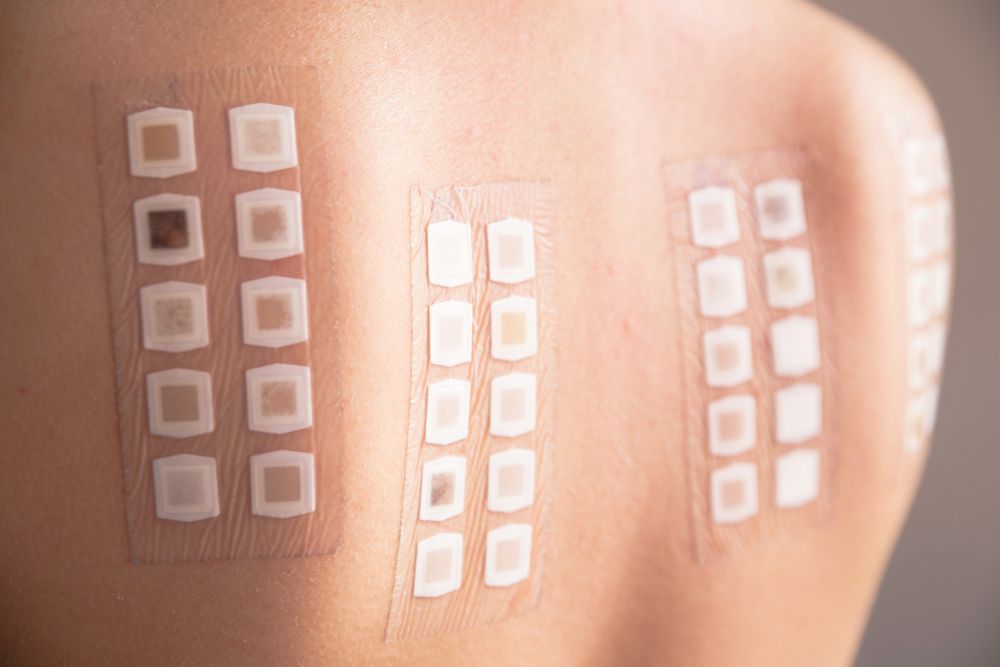
During patch testing, small amounts of potential allergens are applied to your skin using adhesive panels placed on your back. The patches stay in place for 48 hours, during which time you avoid getting them wet or sweating heavily. You return to the office in Tyler for the patches to be removed and your skin to be examined. A final reading occurs a few days later to check for delayed reactions. This multi-day process allows your immune system to respond fully, revealing sensitivities that would not show up in a single-visit test.
If you have dealt with unexplained rashes or skin irritation that keeps coming back, reach out to discuss whether patch testing in Tyler could identify what you are reacting to.
What the Testing Process Looks Like Over Several Days
Testing begins with a consultation to review your skin history, work environment, and personal care products in Tyler. On the first visit, adhesive panels containing common allergens are placed on your upper back. You will need to keep the area dry and avoid activities that cause sweating, so plan around gym sessions or outdoor work during the testing window.
After the patches are removed, your skin is examined for redness, swelling, or blistering at each test site. Results guide avoidance strategies for personal care products, workplace exposures, and household items. A positive reaction means your immune system recognizes that substance as a threat, and avoiding it should reduce or eliminate your symptoms. Many patients see improvement within weeks once they stop using products that contain their specific allergens.
Tyler residents benefit from identifying environmental and occupational irritants specific to East Texas conditions. Follow-up visits ensure accurate interpretation and long-term skin health planning. You will leave with a list of substances to avoid and guidance on reading product labels, which can be especially helpful if your work involves chemicals, adhesives, or cleaning agents.
Questions patients ask before their first visit
Before scheduling patch testing, many people want to understand what the process involves, whether it will hurt, and how long it takes to get results.
If your skin reacts to lotions, jewelry, or work materials and you cannot figure out why, patch testing can provide the clarity you need to stop the cycle. Access Allergy and Immunology offers patch testing for contact dermatitis in Tyler with careful follow-up and personalized avoidance planning. Contact us to schedule your first visit.
Let’s set you up with an appointment!
Whether you have a simple question, want to speak to someone or would like to schedule an appointment to get the conversation started, fill out this form so that we may connect and get the conversation going.
Schedule an appoinment
Contact Us
We will get back to you as soon as possible.
Please try again later.